Virtual Open House
Responsible Water Use

Expedition will be a combined-cycle power plant: electricity is generated using clean-burning natural gas, with the exhaust heat used to create additional electricity without the need for additional fuel. The process makes efficient use of fuel and water.
In a combined-cycle power plant that utilizes dry cooling, water is used to make steam, which powers the steam turbine generator portion of the plant’s generating capacity. It’s an efficient process, as water is circulated multiple times through the plant’s processing systems to minimize consumption.
The steam cycle used in the combined-cycle process requires highly purified water to ensure optimal and long-term operation. Water used to make steam is treated before it is used and again before leaving the site.
Water Needs
Expedition is being designed as a dry-cooled generation facility, which requires 85% less water than a wet-cooled facility.
Average water use is anticipated to be approximately 1 million gallons per day.*
Water will be sourced from the James River and treated prior to use for plant operations. Expedition’s needs are equivalent to approximately 0.03% of the river’s average flow; water use will be curtailed during times of drought.
*Subject to change based on final design, permits, ambient conditions, etc.
Wastewater
Water will be reused multiple times during the power generation process, minimizing consumptive use and discharge. The major source of wastewater will be from the evaporative coolers. As water is recirculated through this system, a portion needs to be discharged to maintain proper water quality.
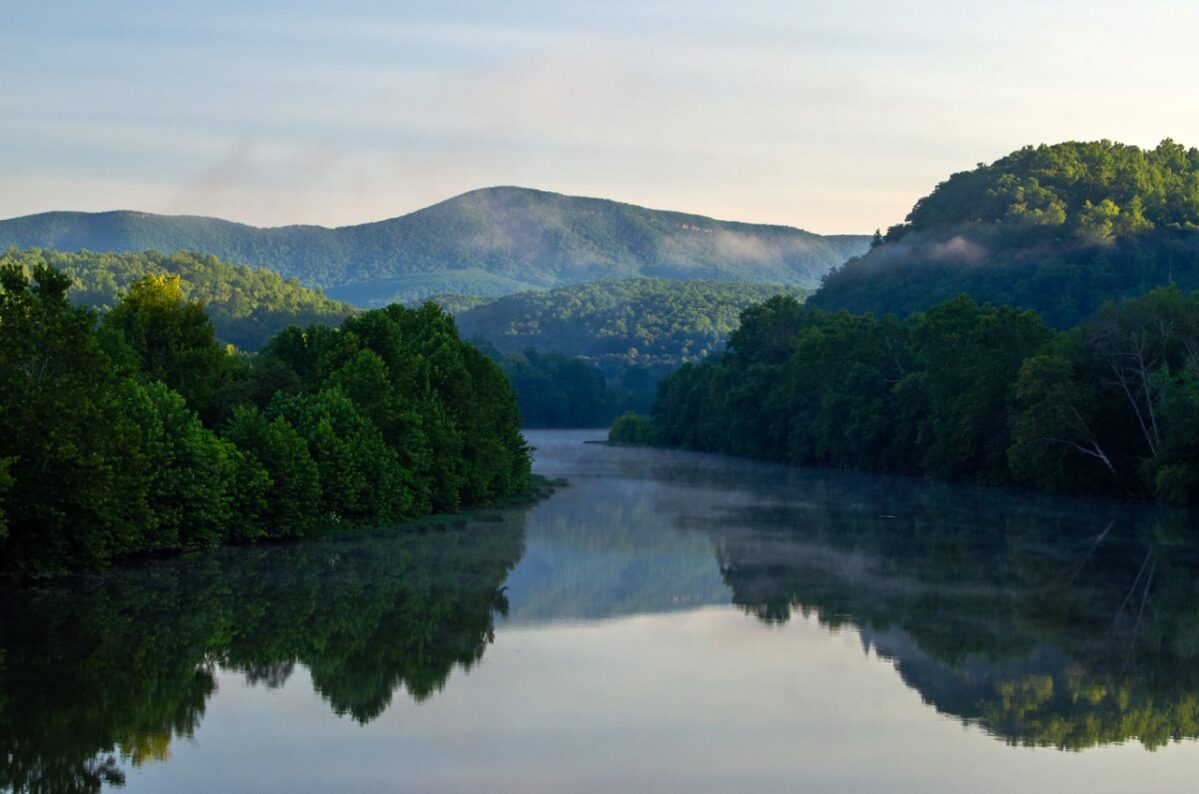
Treated wastewater will be discharged into the Rivanna River. Average daily discharge is anticipated to be 0.8 million gallons, which is approximately 0.5% of the river’s average flow.
Expedition will need to obtain a water discharge (Virginia Pollutant Discharge Elimination System, or VPDES) permit to discharge this wastewater. The permit will establish discharge limits and monitoring requirements.